Design4 min read
Finding the right balance
How we decide the height of a seat, the pitch of a back and the moment a chair finally feels right.
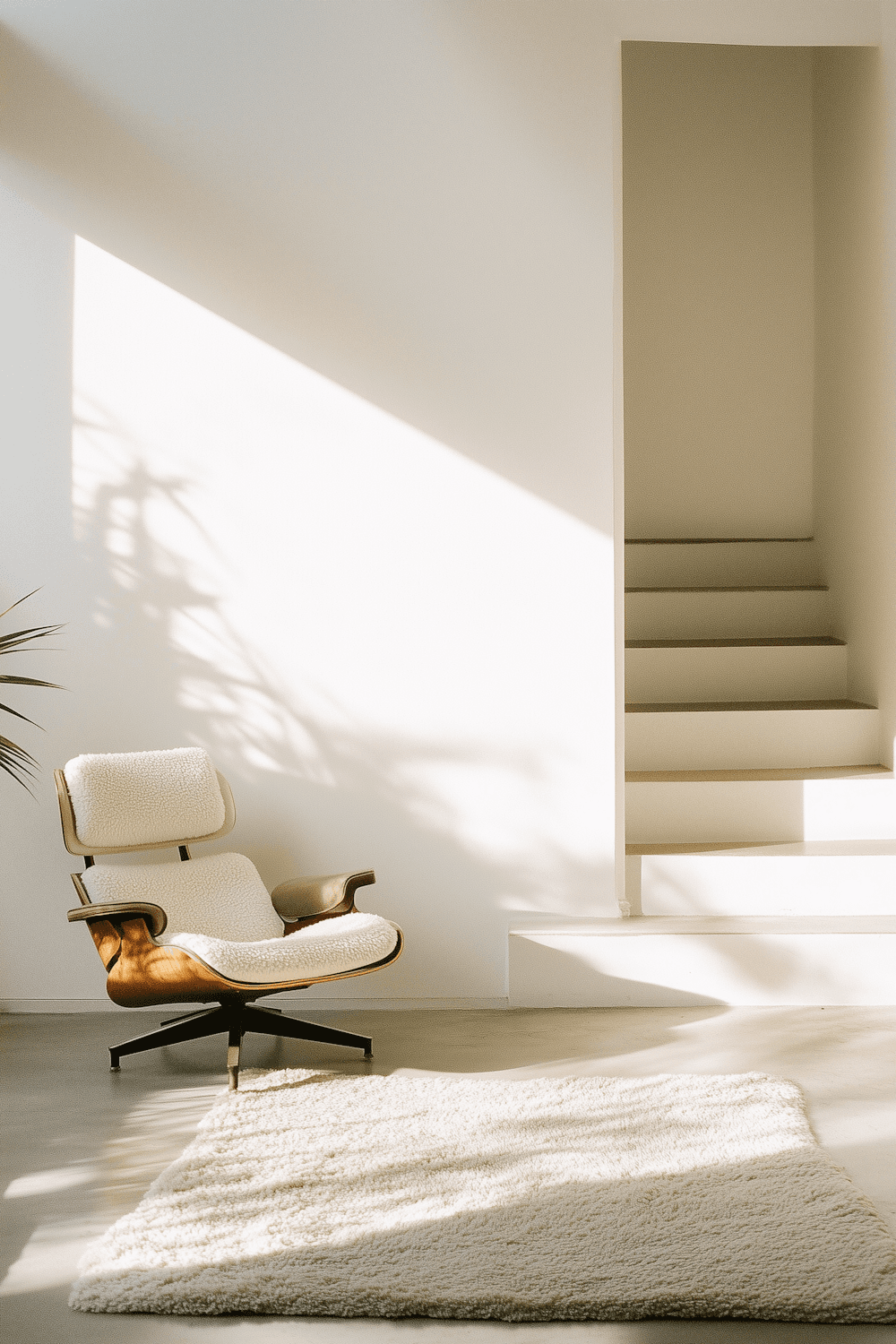
A chair is a set of small decisions that have to agree with each other. Seat height, seat depth, the pitch of the back, the width between the arms. Change one by a centimetre and the others start to argue.
Every new piece starts as a full-size mock-up in plywood and foam. We sit in it for weeks, at the end of long days and first thing in the morning, before a single board of walnut is cut.
Numbers we keep coming back to
- A dining seat at 45 to 46 cm, so feet rest flat and knees clear the table apron.
- A lounge seat closer to 38 to 42 cm, with a deeper pitch that lets the shoulders settle.
- Arms about 20 cm above the seat, high enough to rest on and low enough to slide under a table.
Those numbers are only a starting point. The real test is whether you forget you are sitting at all.
When a chair is right, you stop noticing it and start noticing the room.
Balance is visual too. We trim legs, thin rails and soften edges until the piece looks as calm as it feels. It is slow work, and it is the part of the job we love most.